I want to do a follow-up on this as it seems like an appropriate time.Higgenbotham wrote: Fri Oct 16, 2026 12:28 pmNot as easy as they make it sound.Higgenbotham wrote: Fri Oct 16, 2026 12:20 pmhttps://www.independent.co.uk/news/uk/h ... 63325.html"This report shows that rebuilding soil health is one of the few measures that can improve nutrient density, yields and climate resilience all at once, and farmers can do it profitably today.”
We had 100 plus degree temperatures every day for about 6 weeks as I was working on getting a fall crop started. I experimented with some different soil combinations, all of which were good by nutritional standards. However, they were drastically different as far as ability of the plants to withstand heat and drought. Once the weather broke about a week ago, everything took off; the soil type didn't matter. In fact, the soil that seemed to perform worst in the heat seemed to perform best once the weather broke.
Today the winds are gusting to close to 30 mph so this is not a good time to post pictures. I'll try to post some when the winds die down.
The main idea is the learning curve regarding local gardening conditions is long. This is an example of what may be faced in the coming dark age.
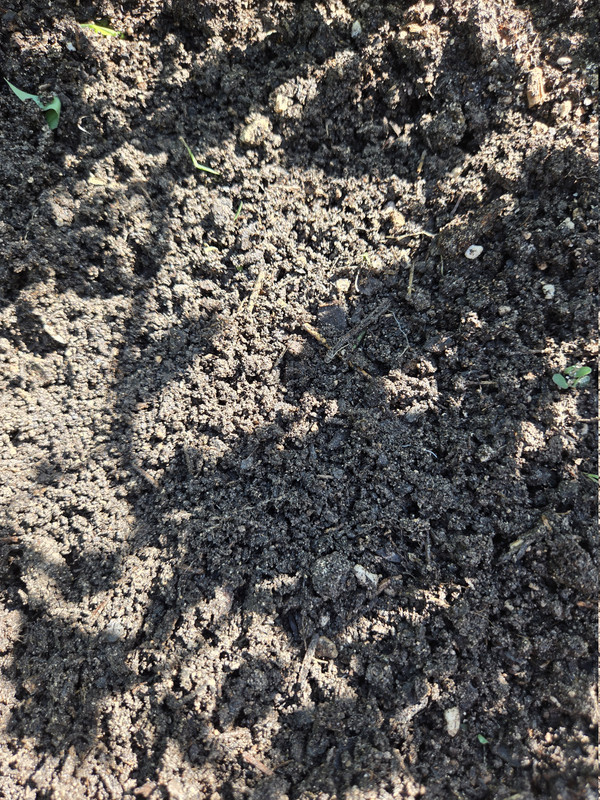
At the bottom I will post 5 photos.
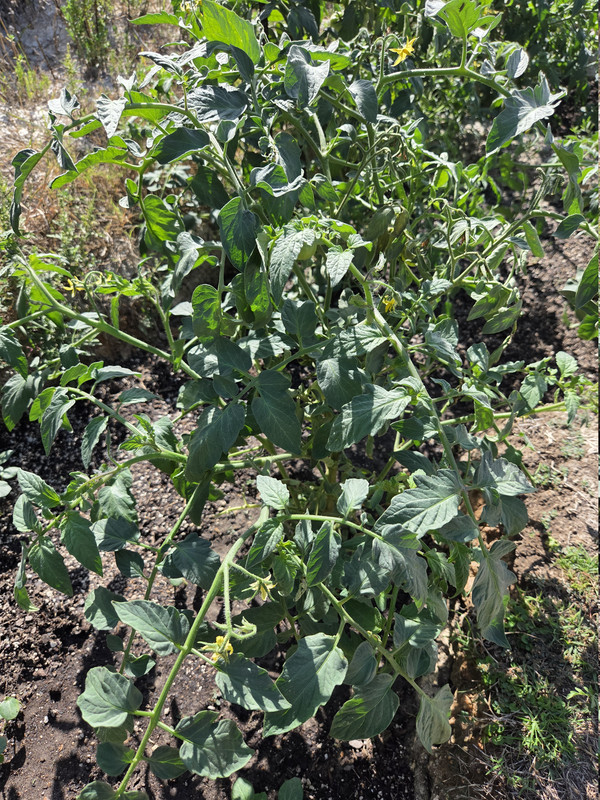
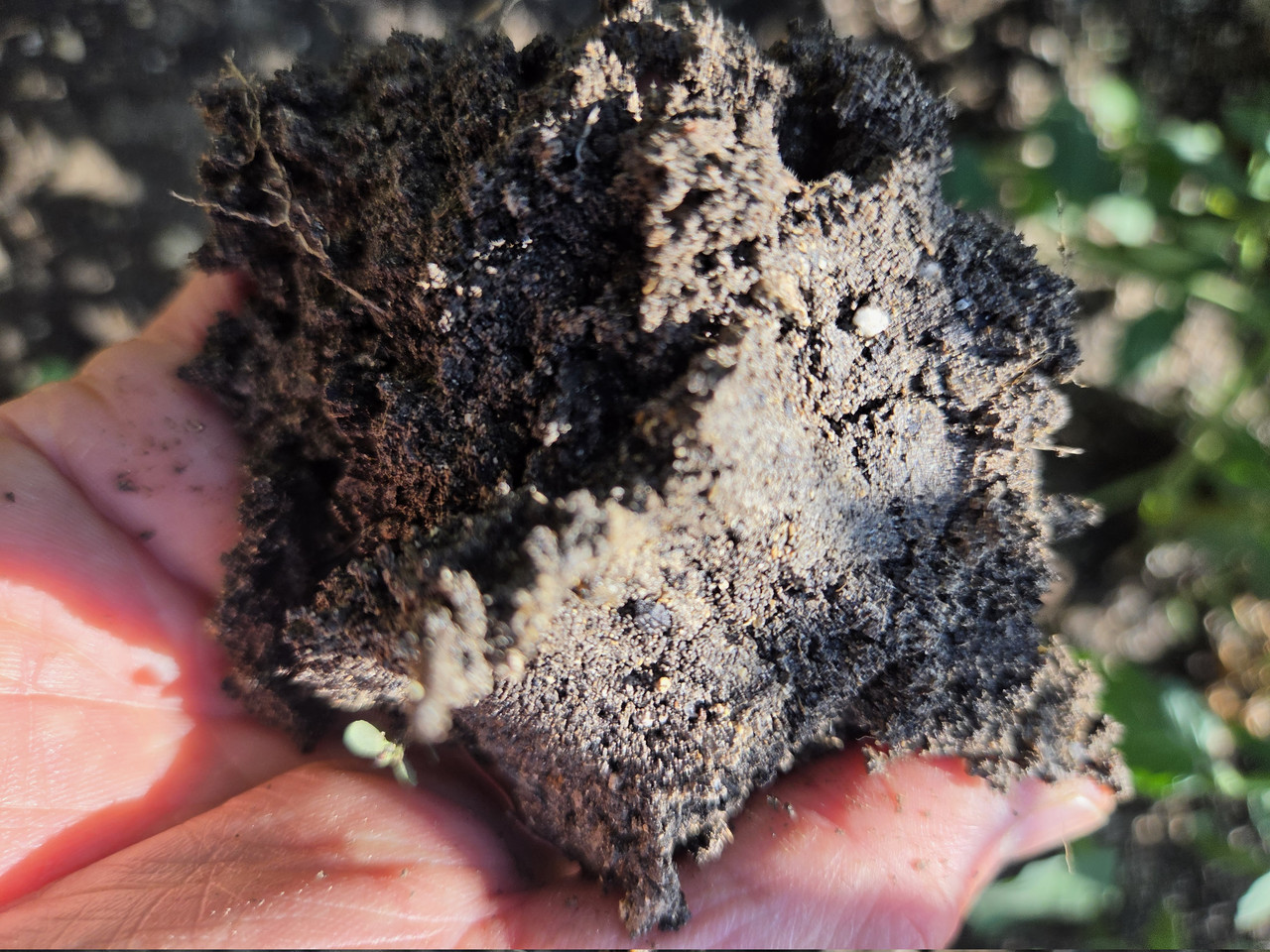
The first is of a typical tomato plant that was planted in local blackland prairie clay soil amended with some organic matter which was mostly cover crops of hard red wheat. These plants survived the hundred plus degree heat wave, all of them except 1 - 14 out of 15.
The second is a picture of the soil.
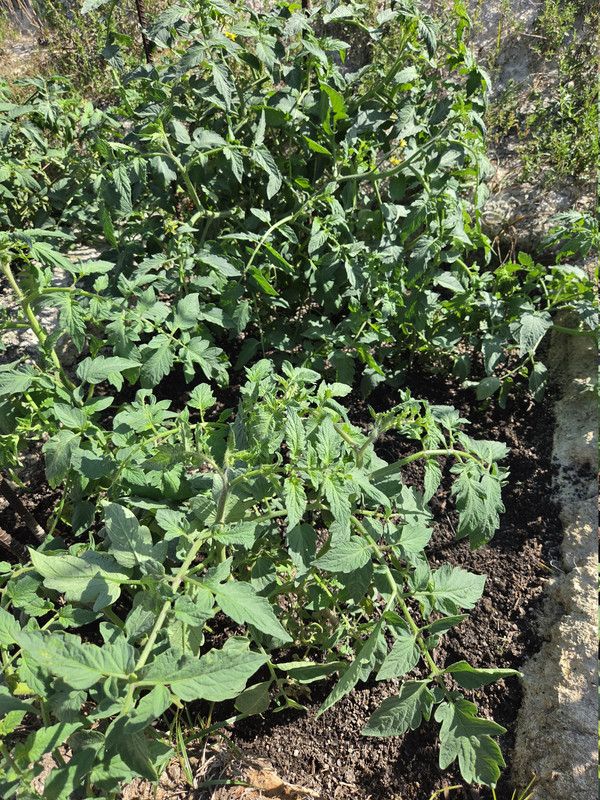
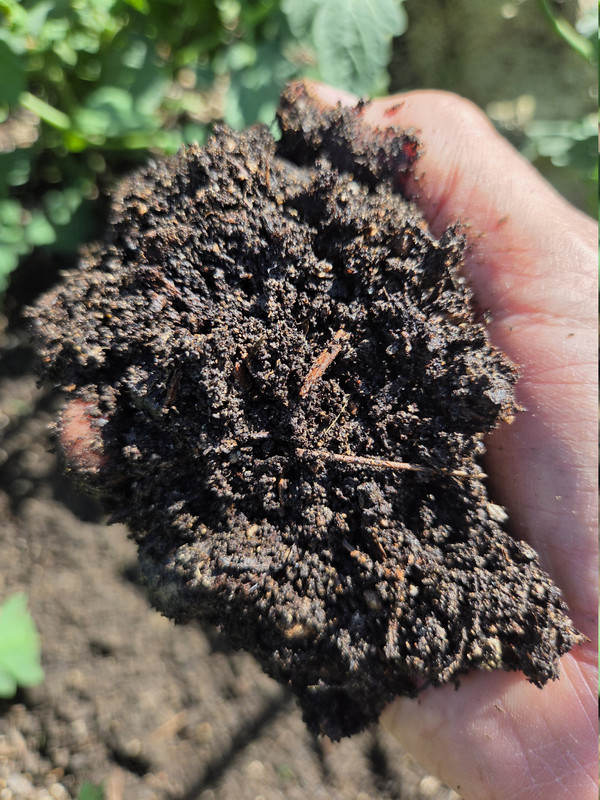
The third is a picture of a group of tomato plants grown in what might most resemble black forest soil- heavily amended with compost as is often recommended (and rightly so under most conditions in my opinion). In that area only 1 plant in 4 survived the heat wave. The plants struggled mightily, but 3 eventually curled up and died. Those 3 were replanted with backups after the heat broke. The heat wave broke maybe 3 weeks ago and since then these plants have really taken off.
The fourth and fifth photos show this black dirt. The photos don't show the contrast between the plants and the soil to the extent that it appears out in the field.
The main takeaway is that over 2 years after starting this project I still don't know which group of plants will produce better for this fall season harvest. The answer may well be that it depends on the date of our first killing freeze. We didn't do a fall planting last year; thus the "over 2 years" overstates it compared to if I had been more on top of the project.